Technology

One of our company's principles is that every project is unique, and the parameters of each development task determine which software development methodology (agile / classic waterfall / hybrid), human resources (senior and junior developers, designers, UX specialists, business analysts, testers, etc.) and technology our team applies.
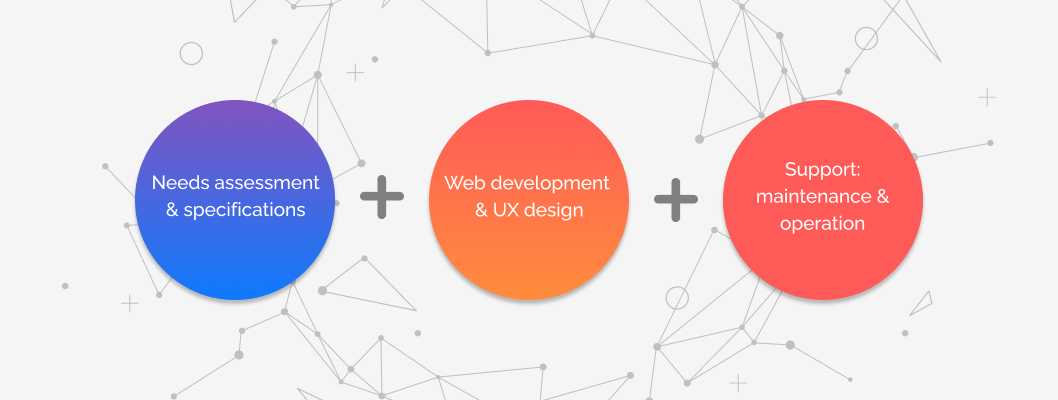
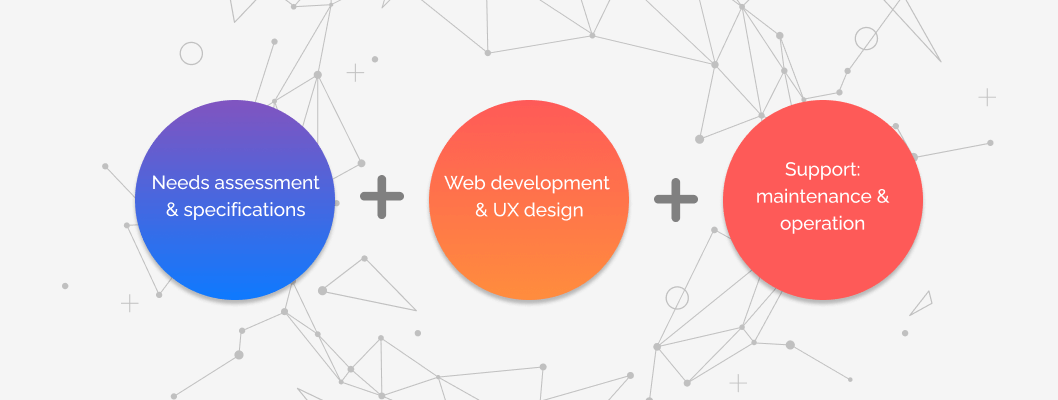
LogiNet has been providing high-quality software development, application development and IT consulting services to startups, and medium and large enterprises since 2007. We cover the entire web development process, from needs assessment to post-implementation operations and maintenance services.
1. Needs assessment and design
2. Web development and UX design
3. Support
In terms of methodologies, LogiNet has also been in a constant state of evolution. While in the beginning we only used the waterfall methodology, as the complexity and length of projects increased, we had to realise that this was not a viable way forward. As the agile methodology gained ground, we adopted several elements of the new development methodology. Eventually, we created our hybrid methodology from these agile elements and the waterfall methodology we had used previously.
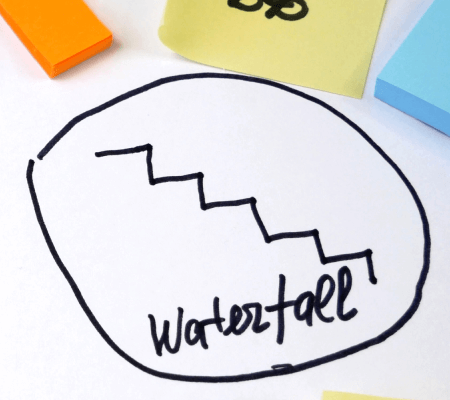
The waterfall methodology is a traditional model of software development with stages that follow one after another, like a waterfall. This methodology requires significant planning and specification at the initial stage of the project, and then development is based on this.
The main advantage of this methodology is the structured and well-documented process, which makes the project predictable. However, it has the disadvantage of being inflexible: if changes are needed, it is difficult to implement them.
For this reason, the waterfall methodology is mainly used for projects where the requirements are well-defined and unlikely to change throughout the project. With the spread of agile methodologies, the popularity of the waterfall model has declined, but it is still used in areas where change management is less critical.
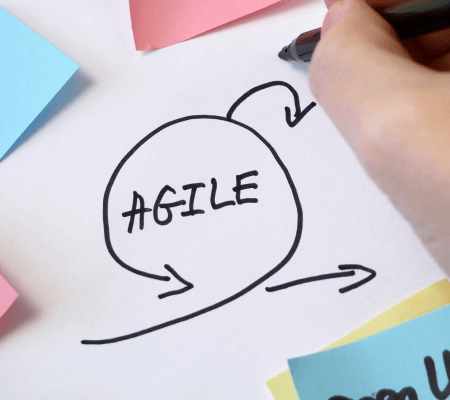
The key advantage of the agile methodology is its flexibility: it can adapt to changing requirements during development, allowing for rapid change. This is because it breaks the project down into several dynamic phases, commonly known as sprints, and the results of which are regularly communicated to the customer.
The agile development methodology is particularly effective in environments where needs change frequently and speed to market is essential.
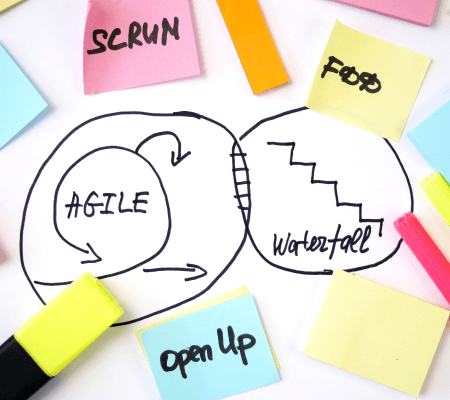
The hybrid methodology combines the structured and planned approach of the traditional waterfall methodology with the flexibility and responsiveness of the agile methodology. The hybrid methodology is useful when some elements of the project require rigorous planning, while other parts require a more agile approach. The key to successful deployment is finding a balance between planning, flexibility and responsiveness.
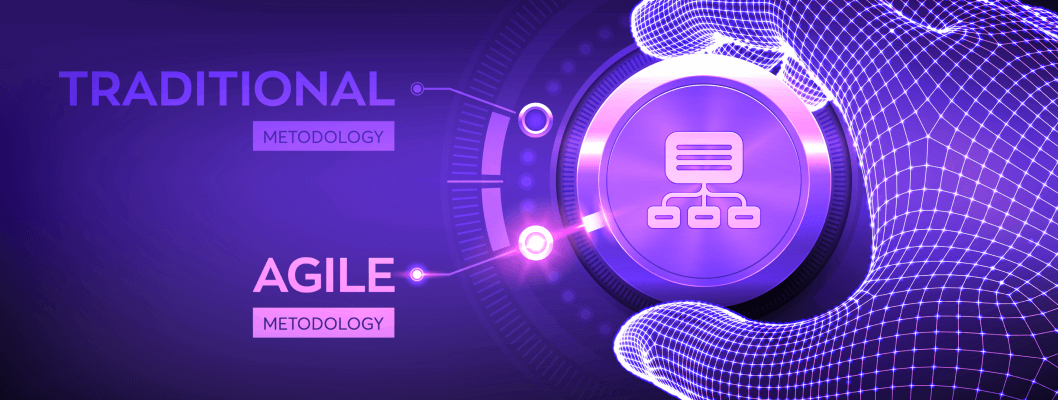
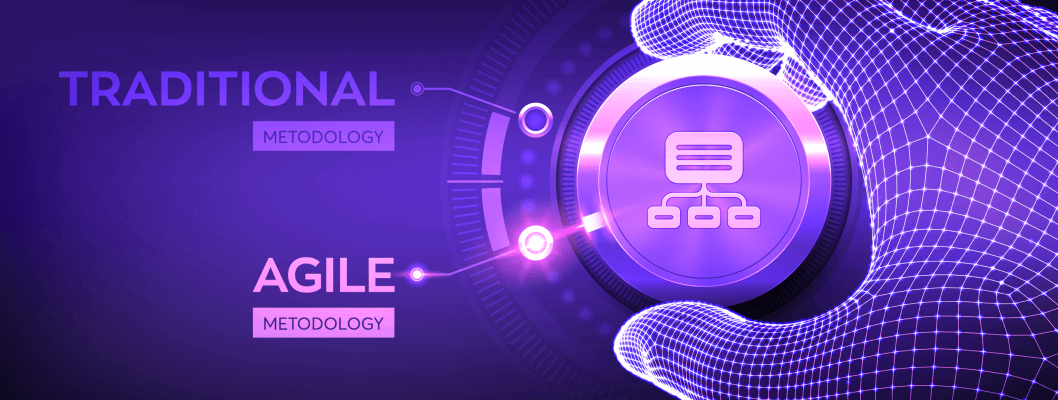
LogiNet's team delivers innovative solutions that contribute to our customer's satisfaction and the achievement of their business goals. We always strive to adapt to the project, the scope, the client and the circumstances surrounding the software development task at hand.
Projects implemented in-house at LogiNet are usually based on our hybrid methodology. For some clients, the development may get an extra agile backbone and look more like agile methodologies than a hybrid.
Sometimes, of course, for smaller tasks or internal pilot projects, we still fall back to the old classic waterfall methodology.
Our references therefore include projects where the classic methodology worked well for smaller scopes: the succession of system and software requirements, testing and validation phases required the application of the waterfall model.
Request a quote
Share your ideas and goals with us, and we’ll be in touch shortly to see how we can help.